
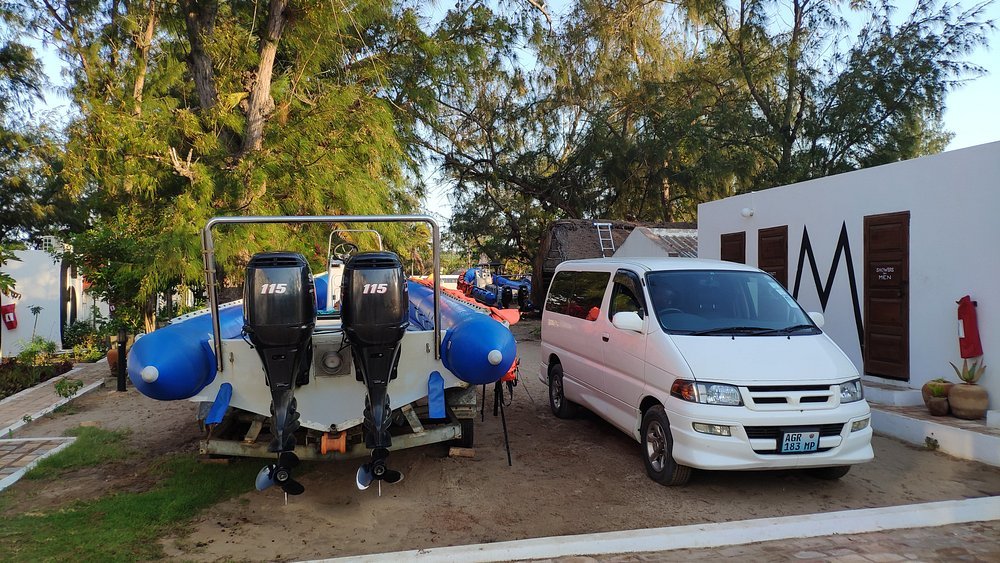
Inhambane Travel Guide: Everything You Need to Know (2026)
Everything you need to plan a trip to Inhambane, Mozambique: when to go, where to go, how to get around and what it costs — from the whale sharks of Tofo to the islands of Bazaruto.
Inhambane is Mozambique's most rewarding coastal province — a 700-kilometre stretch of Indian Ocean coastline famous for warm turquoise water, world-class diving and a relaxed, palm-fringed pace of life. This guide brings together everything you need to plan a first trip: where to go, when to visit, how to get around and roughly what it costs.
Why visit Inhambane?
This is the part of Mozambique people dream about. Tofo is one of the few places on earth where you can reliably snorkel with whale sharks and manta rays year-round. Barra offers mangrove-lined beaches and some of the best kitesurfing in the country. The historic town of Inhambane itself, with its dhow harbour and century-old cathedral, is one of the prettiest in Mozambique. Further north, Vilankulo is the gateway to the postcard islands of the Bazaruto Archipelago.
Where to go
Best time to visit
Inhambane is a year-round destination with a warm, tropical climate. The dry season (April–October) brings sunny days, calmer seas and the best diving visibility; it is also when humpback whales pass the coast (roughly June–October). The wet season (November–March) is hotter and more humid with short afternoon storms, but the sea is warmest and manta and whale-shark sightings remain excellent. Peak crowds hit over South African school holidays (December–January and Easter).
How to get there
Most travellers fly into Inhambane or Vilankulo via Maputo or Johannesburg, or drive up the EN1 highway. For a full breakdown of flights, road routes, transfers and local transport, see our dedicated guide on how to get to Inhambane and getting around.
How much does it cost?
Inhambane suits every budget. Backpacker dorms and beach camps start from around US$15–25 per night, mid-range lodges sit around US$60–120, and a handful of luxury island resorts run much higher. A two-tank dive typically costs US$70–100 and an ocean safari to snorkel with whale sharks and mantas around US$40–60. Meals at local restaurants are inexpensive, with fresh seafood the highlight everywhere.
Practical tips
Frequently asked questions
Yes. Inhambane offers some of the best diving in Africa, year-round whale shark and manta ray encounters at Tofo, beautiful beaches at Barra, a charming historic town and easy access to the Bazaruto islands from Vilankulo.
April to October (the dry season) offers sunny weather, calm seas and great diving visibility, plus humpback whales from around June to October. The wet season (November to March) is hotter but has the warmest water and excellent manta and whale shark sightings.
A week lets you combine Tofo or Barra with Inhambane town. Add three to four days if you also want to visit Vilankulo and the Bazaruto Archipelago further north.
Written by the Folha de Inhambane team
A local team based in Inhambane, Mozambique, writing independent travel guides to the province. About us →
Related guides
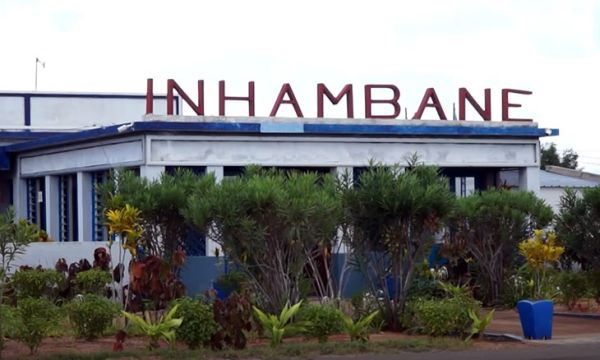
How to Get to Inhambane & Getting Around (2026)
How to get to Inhambane, Mozambique: flights, driving the EN1, transfers and buses, plus h...
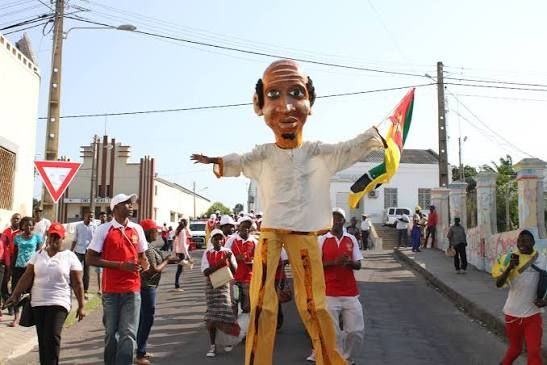
Festivals & Events in Inhambane and Mozambique (2026)
The festivals and events worth planning a trip around in Inhambane and Mozambique — music,...
The Best Experiences in Inhambane: Ocean, Culture & Adventure (2026)
The best experiences in Inhambane, Mozambique: swimming with whale sharks, diving, dhow sa...